
Licensed Plumber vs. Plumbing Contractor, Do You Know the Difference?
- Kody Gummere
- Sep 9, 2025
- 3 min read

When you face plumbing issues, it is crucial to understand the difference between a plumber and a plumbing contractor. While both are vital for maintaining water systems, their skills and responsibilities vary significantly. Knowing these differences can help you choose the right professional for your specific needs, ensuring your plumbing problems are resolved efficiently and effectively.
The Role of a Licensed Plumber: Focused on Simple Repairs
A licensed plumber is often the first professional you contact when there is a plumbing problem. They are trained to handle specific tasks that require immediate attention. They can quickly fix common issues in homes, making them an invaluable asset for quick repairs.
Some key tasks that a plumber typically handles include:
Unclogging Toilets: Plumbers often use tools like plungers and augers to clear blockages. For instance, they can resolve clogs caused by foreign objects or accumulated waste, restoring function without delay.
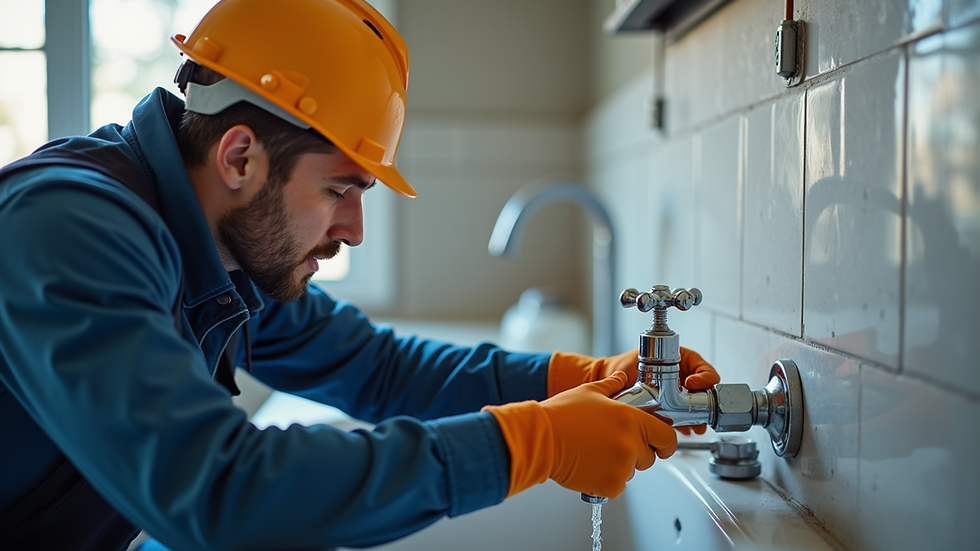
Replacing Faucets: If you have an old or damaged faucet, a plumber can remove it and install a new one. They ensure the new fixture is securely sealed to prevent leaks, which can save homeowners from future water damage.
Fixing Leaks: From small drips to larger leaks, plumbers excel at troubleshooting and repairing these issues. According to the Environmental Protection Agency (EPA), fixing leaks in a home can save an average of 10% on water bills.
While licensed plumbers can efficiently address common issues, their work typically does not extend to complex plumbing systems or renovations.
The Role of a Plumbing Contractor: Comprehensive Expertise
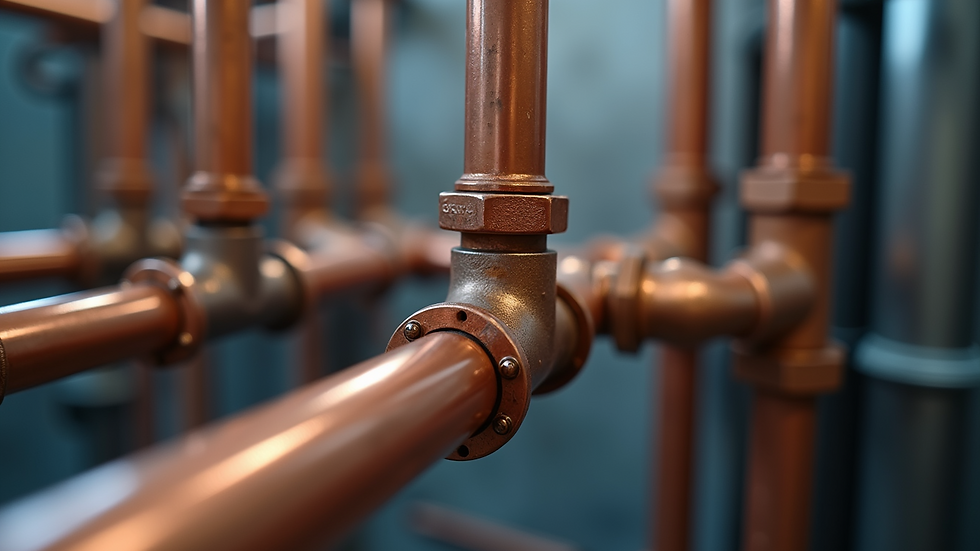
A plumbing contractor has a wider skill set and deeper understanding of plumbing networks. They can perform all the tasks a plumber does but also handle larger projects that require advanced planning and execution.
Plumbing contractors often work on significant jobs like new home construction or extensive renovations. They coordinate with other specialists, manage timelines, and ensure compliance with local plumbing codes. This level of oversight is crucial for projects, particularly those involving multiple trades.

Plumbing contractors provide free estimates and detailed project plans. Their expertise can save homeowners time and money by ensuring everything is done correctly from the beginning. For example, poor installation can lead to costly repairs, making their role significant in large projects.
Key Differences Between Plumbers and Plumbing Contractors
Understanding the distinctions between plumbers and plumbing contractors is essential for homeowners. Here are the most important differences:
Scope of Work: Plumbers generally focus on smaller, immediate repairs. In contrast, plumbing contractors manage larger projects that need extensive planning and coordination.
Licensing and Certification: Both groups must be licensed, but plumbing contractors often hold additional certifications to supervise larger projects and manage teams effectively.
Project Management: Plumbing contractors possess skills in project management, ensuring that all elements of a plumbing job are completed on time. Plumbers primarily execute specific tasks, which limits their role in managing overall projects.
Cost Considerations: Hiring a plumber for simple repairs is usually more budget-friendly. However, a plumbing contractor's expertise can prevent costly mistakes in large projects, making their services valuable.
When to Hire a Plumber vs. a Plumbing Contractor
Choosing between a plumber or a plumbing contractor depends on the plumbing issue you face.
For minor tasks, like fixing a leaky tap or unclogging a drain, hiring a plumber is often more efficient and cost-effective. They can provide quick service tailored to simple problems without complicated planning.
On the other hand, if you are planning a major renovation or new construction, it’s wise to hire a plumbing contractor. Their broad expertise and project management skills ensure the plumbing system is designed and installed correctly, adhering to local codes.

Final Thoughts: Making the Right Choice
Recognizing the roles of plumbers and plumbing contractors can significantly impact your experience with plumbing services. Both play crucial roles but serve different functions that affect your plumbing systems' maintenance and improvement.
By understanding when to hire a local plumber for minor repairs or a plumbing contractor for larger projects, you can make informed decisions that save you time and money while reducing stress. Always consider reaching out for free estimates from licensed professionals to obtain the best services tailored to your needs.


Comments