
Essential Tips for Plumbing Installation Guide
- Kody Gummere
- Feb 3
- 3 min read

When it comes to plumbing, getting it right the first time is crucial. A proper setup saves you from costly repairs and headaches down the road. I want to share some essential tips that will help you understand what goes into a successful plumbing installation. Whether you’re tackling a new build or upgrading your current system, these pointers will guide you through the process with confidence.
Your Plumbing Installation Guide: What You Need to Know
Plumbing installation is more than just connecting pipes. It’s about planning, precision, and using the right materials. Here’s what I always recommend:
Plan your layout carefully. Know where your water supply lines and drains will run. This helps avoid unnecessary bends and long pipe runs that can reduce water pressure.
Choose quality materials. Copper, PEX, and PVC are common choices. Each has its pros and cons, so pick what fits your needs and budget.
Follow local codes. Plumbing codes exist for safety and efficiency. Make sure your installation meets these standards to avoid future issues.
Use proper tools. From pipe cutters to wrenches, having the right tools makes the job easier and ensures tight, leak-free connections.
Test for leaks. After installation, always check every joint and fixture for leaks before closing walls or floors.
Taking these steps seriously will save you time and money. It also means your plumbing system will work smoothly for years to come.
Tools and Materials: What Should You Use?
Picking the right tools and materials is key. Here’s a quick rundown of what I suggest:
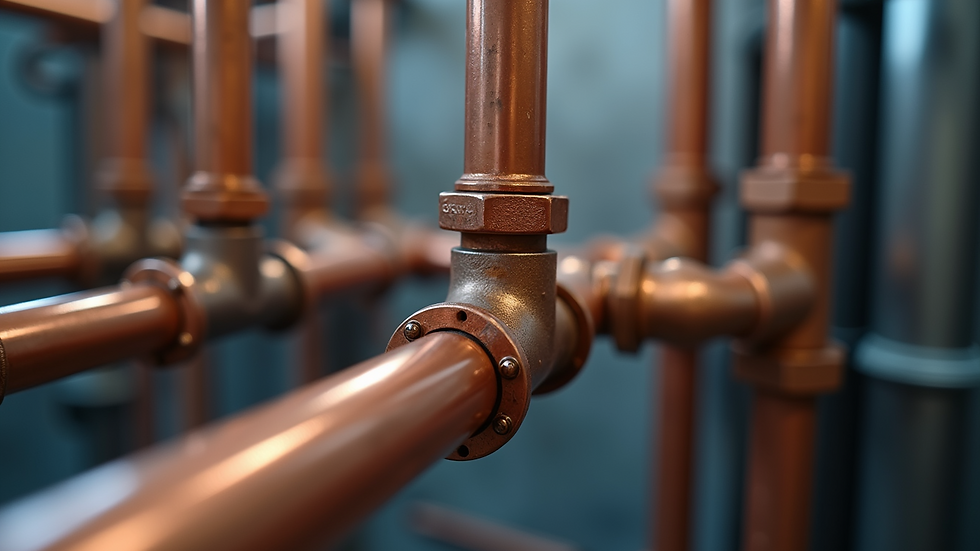
Pipes: Copper is durable and heat-resistant. PEX is flexible and easier to install. PVC is great for drain lines.
Fittings: Use brass or copper fittings for water lines. PVC fittings work well for drainage.
Tools: Pipe cutters, adjustable wrenches, pipe threaders, and a good sealant or plumber’s tape.
Sealants: Use Teflon tape or pipe dope to ensure tight seals on threaded connections.
Always buy from reputable suppliers. Cheap materials can lead to leaks and failures. Remember, your plumbing system is an investment in your home’s comfort and safety.
How Much to Replumb a 2000 Sq Ft House?
Replumbing a house this size depends on several factors:
Type of pipes used: Copper is more expensive than PEX.
Accessibility: Easy access to walls and floors lowers labor costs.
Number of fixtures: More sinks, toilets, and showers increase the price.
Local labor rates: These vary widely by region.
On average, replumbing a 2000 sq ft home can cost between $8,000 and $15,000. This includes materials and labor. It might seem like a big number, but think of it as a long-term investment. Proper plumbing protects your home from water damage and improves water quality.
If you’re unsure, get multiple quotes from trusted professionals. They can assess your home and give you a clear estimate.

Common Mistakes to Avoid During Installation
I’ve seen many plumbing jobs go wrong because of simple mistakes. Here’s what to watch out for:
Skipping the permit process. Always get the necessary permits. It ensures your work is inspected and up to code.
Ignoring slope requirements. Drain pipes need a proper slope to allow waste to flow freely. Too flat or too steep causes clogs.
Over-tightening fittings. This can crack pipes or fittings, leading to leaks.
Using the wrong pipe for the job. For example, don’t use PVC for hot water lines.
Not testing the system. Always pressure test water lines and run water through drains before finishing.
Avoiding these pitfalls will keep your plumbing system reliable and safe.
Why Professional Help Matters
While DIY plumbing might seem tempting, professional help makes a big difference. Here’s why:
Experience: Pros know the codes, best practices, and how to troubleshoot problems.
Tools: They have specialized tools that ensure a perfect fit and finish.
Time-saving: What takes you days can take a pro just a few hours.
Warranty: Many plumbers offer guarantees on their work, giving you peace of mind.
If you want your plumbing installation done right, consider calling a trusted expert. It’s an investment in your home’s future.
Ready to Get Started?
If you’re planning a plumbing project, keep these tips in mind. Proper planning, quality materials, and professional help make all the difference. Remember, a well-installed plumbing system means fewer emergencies and more comfort.
For those looking for reliable, fast, and honest service, I recommend checking out plumbing installation services that prioritize quality and customer satisfaction. They understand the urgency when plumbing issues arise and work hard to be your first call.
Your home deserves the best. Take the time to do it right, and you’ll enjoy the benefits for years to come.


This is a very informative guide on essential plumbing installation tips. Proper installation is one of the most important steps in ensuring a reliable plumbing system. From correct pipe fitting and pressure control to avoiding leaks and future maintenance issues, professional installation practices help ensure long-term durability and safety in residential and commercial plumbing systems.