
Essential Tips for Plumbing Installation Guide
- Kody Gummere
- Jan 26
- 3 min read

When it comes to plumbing, getting it right the first time is crucial. Whether you’re installing new pipes or upgrading an old system, proper plumbing installation saves you time, money, and headaches down the road. I’ve worked with many homeowners, and I know how important it is to have clear, practical advice you can trust. Let me share some essential tips that will help you handle your plumbing project with confidence.
Your Plumbing Installation Guide: What You Need to Know
Starting a plumbing project can feel overwhelming. But breaking it down into manageable steps makes it easier. First, understand the layout of your home’s plumbing system. This includes knowing where your main water line enters, where the shut-off valves are, and how the pipes run through your walls and floors.
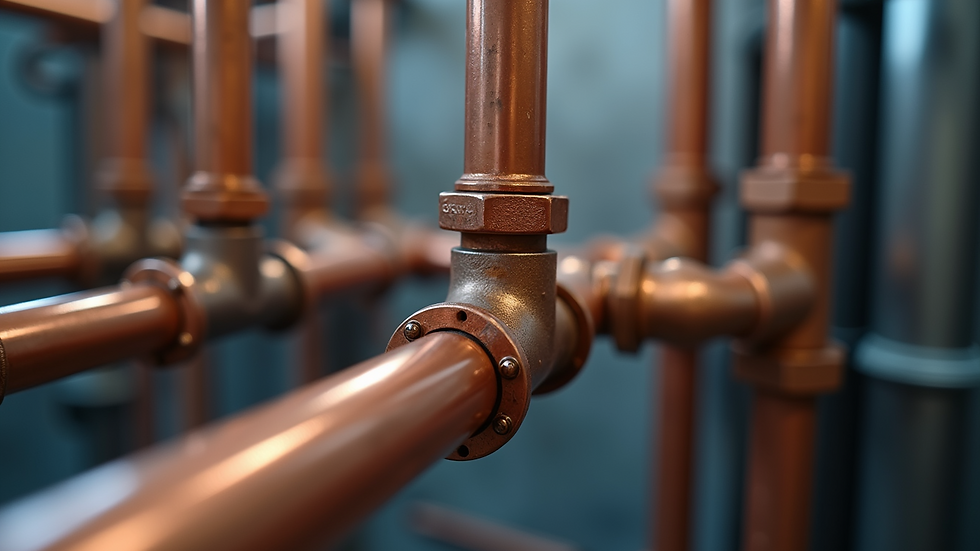
Next, choose the right materials. Copper, PEX, and PVC are common options. Each has its pros and cons. Copper is durable but expensive. PEX is flexible and easier to install. PVC is great for drain lines but not for hot water. Pick what fits your budget and needs.
Don’t forget to check local building codes. They set the standards for pipe sizes, materials, and installation methods. Following these rules ensures your system is safe and up to code.
Finally, always plan for future maintenance. Install accessible shut-off valves and clean-outs. This makes repairs easier and less disruptive.

How Much to Replumb a 2000 Sq Ft House?
Replumbing a 2000 square foot house is a significant project. Costs vary depending on the materials used, the complexity of the layout, and labor rates in your area. On average, homeowners can expect to pay between $8,000 and $15,000 for a full replumb.
Here’s what affects the price:
Material choice: Copper pipes cost more than PEX.
Labor: Experienced plumbers charge higher rates but do the job right.
Accessibility: If walls or floors need to be opened, costs rise.
Fixtures: Replacing old fixtures adds to the total.
To get an accurate estimate, request a detailed quote from a trusted plumber. They can assess your home and explain the costs clearly.
Step-by-Step Tips for a Smooth Plumbing Installation
Turn off the water supply. Before starting, shut off the main water valve to avoid leaks and flooding.
Drain the pipes. Open faucets to empty water from the system.
Measure twice, cut once. Accurate measurements prevent mistakes and wasted materials.
Use proper tools. Pipe cutters, wrenches, and soldering kits make the job easier and safer.
Secure pipes properly. Use clamps and brackets to prevent movement and noise.
Test for leaks. After installation, turn the water back on slowly and check every joint.
Insulate pipes. This prevents freezing in cold weather and reduces heat loss.
Remember, patience and attention to detail are your best friends during installation.

Common Mistakes to Avoid During Plumbing Installation
Even small errors can cause big problems later. Here are some pitfalls to watch out for:
Ignoring local codes: This can lead to failed inspections and costly rework.
Using the wrong pipe size: Pipes that are too small reduce water flow; too large wastes money.
Poor soldering or connections: Leaks often start at weak joints.
Skipping pressure tests: Always test the system before closing walls.
Not labeling pipes: This makes future repairs confusing.
Avoid these mistakes by following guidelines carefully and asking for help when needed.
Why Professional Help Matters
While DIY plumbing can save money, some jobs require expert skills. Complex installations, gas lines, or emergency repairs are best left to professionals. A licensed plumber brings experience, tools, and knowledge that ensure the job is done safely and correctly.
If you want peace of mind, consider hiring a trusted plumbing service. They can handle everything from installation to maintenance, so you don’t have to worry about surprises.
Building a Reliable Plumbing System for Your Home
Your home’s plumbing is a vital system that deserves attention and care. By following these tips, you can create a reliable setup that lasts for years. Remember, proper planning, quality materials, and careful installation are key.
If you’re ready to start your project or need expert advice, don’t hesitate to reach out. I’m here to help you every step of the way. For those looking for professional support, check out this plumbing installation service that prioritizes quality and trust.
Taking the time to do it right now saves you from costly repairs later. Let’s make your plumbing system something you can count on.
Thank you for reading. I hope these tips help you feel confident about your plumbing project. If you have questions or want to share your experience, feel free to get in touch. Together, we can keep your home’s plumbing running smoothly.


Comments